

What is it?
Shared Action
The concept
Compassion, listening and support
Shared Action the desire to act together. It must be a truly international initiative involving all the churches of the CEVAA. It is a shared initiative because it responds to a reality experienced—albeit to varying degrees—by all the churches of the Community. It relies heavily on theological guidance to provide it with its essential spiritual and conceptual foundation. It implements projects to give it a concrete dimension through specific actions. It is built on the principles of networking and communication in order to combine the effectiveness, visibility, and sustainability of the work carried out by the CEVAA churches.”
- extract from the minutes of the 3rd AGM, 2006 - Bouznika (Morocco)
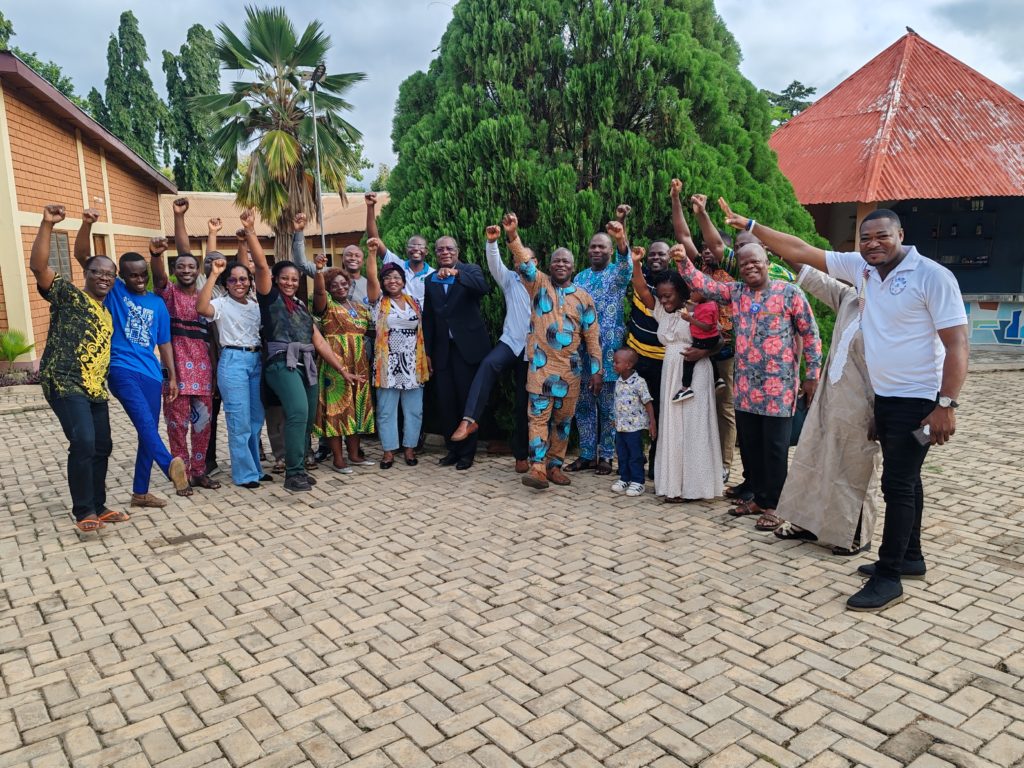
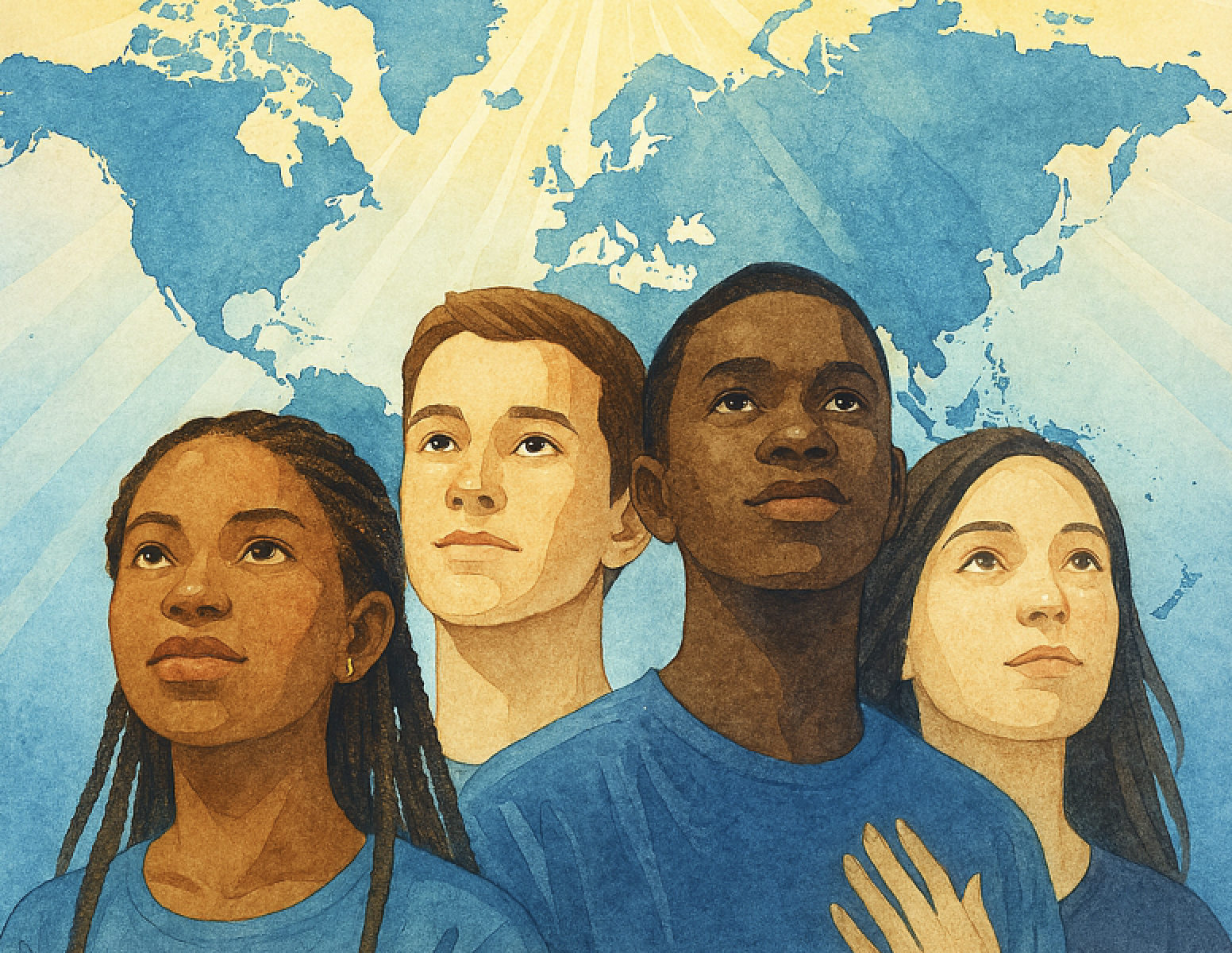
As a community of churches, CEVAA challenges and encourages its members to engage in dialogue and theological reflection. The Shared Action initiative Shared Action community ties among churches at the regional and interregional levels. Following Christ’s example, the churches teach compassion, active listening, and support.
Common Actions within Cevaa mobilize all the member churches of the Community; they must join forces to engage effectively and resolutely in actions and/or debate on themes they have chosen for themselves.
AC 2024-2028
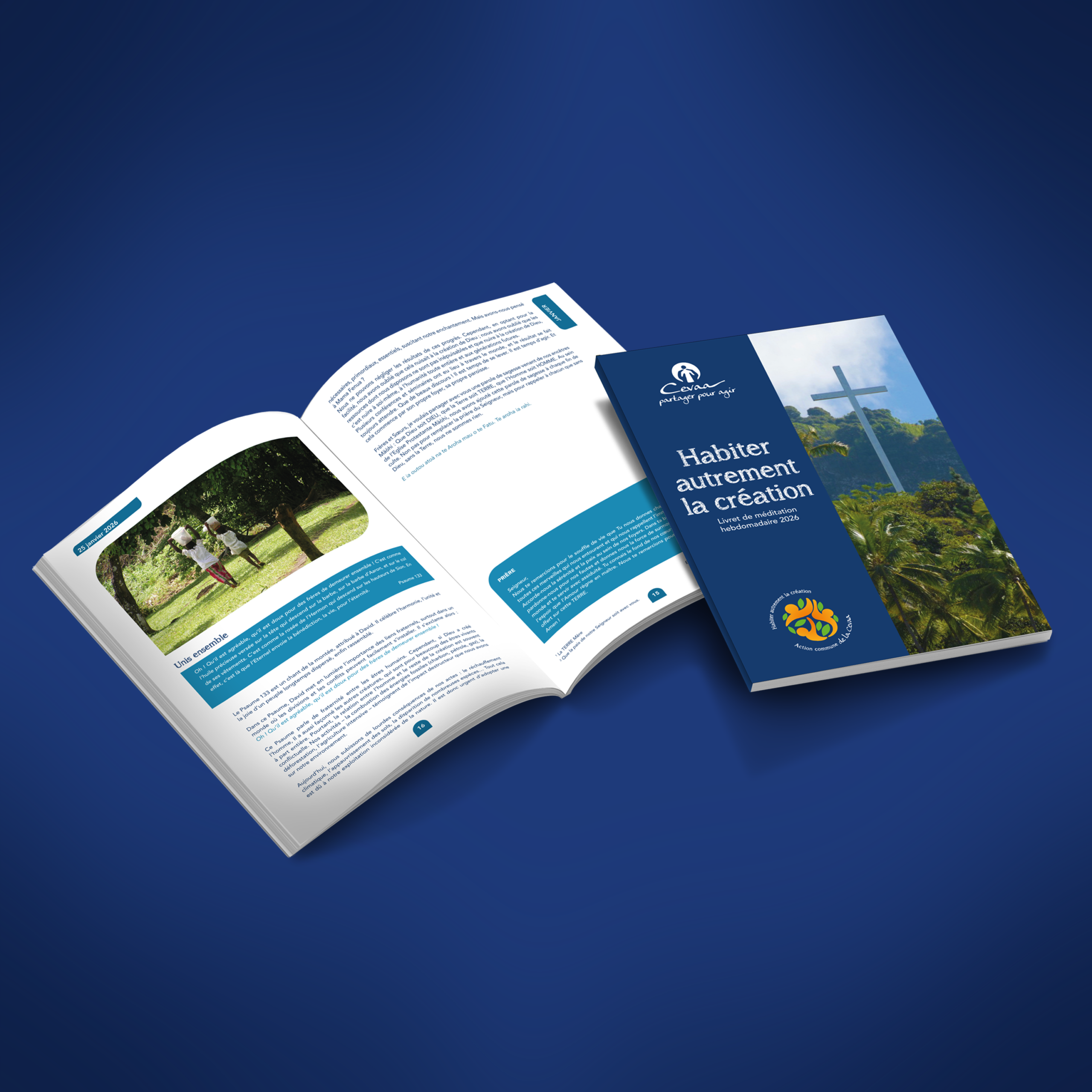
Inhabit Creation differently
Our times cannot ignore the ecological question, which is vital to human survival, nor reduce it to a purely political issue: it has a moral and spiritual dimension that affects everyone, so that no one can ignore it.
Read more
As followers of Christ, we have all the more reason to unite with all people of good will to protect and defend nature and the environment.
Creation, in fact, is a gift entrusted to us by the Creator. All of nature around us is a creation like us, a creation alongside us, and in our shared destiny, it tends toward finding in God himself its fulfillment and ultimate purpose: “a new heaven and a new earth” (cf. Isaiah 65:17; Revelation 21:1). The ecological crisis is for us an even stronger incentive to have a responsible and respectful relationship with Creation: in inanimate nature, in plants and animals, we recognize the Creator’s imprint, and in our fellow human beings, his very image.
Today, we Christians must ask ourselves how we can participate in this work, not only as individuals but also as a community within the Churches. We must foster ethical reflection rooted in our biblical foundations. All of us within the CEVAA can collaborate, as instruments of God, for the safeguarding of Creation, each according to their environment, culture, experience, initiatives, and abilities.
Inhabit Creation differently a call to conversion. At the Community level, we want to respond to the pressing expectations of society and the Churches to help the faithful become more aware and more concerned about environmental issues.
Biblical animation
Throughout Genesis chapter 2, we address questions relating to the origins of man, fauna and flora, and hence of the environment: where did the world come from? Where does man come from? Why work? What is man's responsibility in Creation?
Genesis 2:15 speaks of a garden as the work of God, which becomes the common space where human beings will live and grow. According to the biblical account, the Earth was conceived from the outset as a garden where God planted trees.
Read more
Humans had two specific tasks: to work and to preserve the planet as a common garden. The two verbs in the verse express these tasks well. We must cultivate the garden (work, plow, plant, produce) and guard it (maintain, protect, preserve). The text invites us to see our planet as a common garden. Think of it as an open, dynamic world. If it is true that this garden is given to us to be transformed, we must work it according to the rules and instructions of the original gardener.
Romans 8:20-21: For Creation was subjected to vanity, not of its own free will, but because of Him who subjected it, in the hope that it too would be set free from the bondage of corruption, to share in the freedom of the glory of the children of God.
Read more
Creation, like humanity, is subject to sin. Genesis 3 recounts these various ruptures: between man and God, between man and woman, between man and nature, between nature and God. But this Creation, like humanity, is promised liberation. This hope motivates the Christian's commitment to bear witness for creation to the reconciliation promised and achieved by Christ, in whom and through whom all things were created.
Luke 17:21: The Kingdom of God is among you.
The Kingdom is already here, receivable in faith. At the same time, it is a hope. It is awaited. It will come with the definitive victory of life over death.
Read more
Creation experiences this tension, which mobilizes the struggle for justice, peace and the safeguarding of Creation.
The eternal God took man and established him in the Garden of Eden to cultivate and guard it.
Today's ecological crisis is fundamentally a crisis of humanity.
Objective
- Awareness-raising and reflection
Reflect on the place of humans in creation and listen to what the Bible has to say about caring for them.
- Taking concrete action
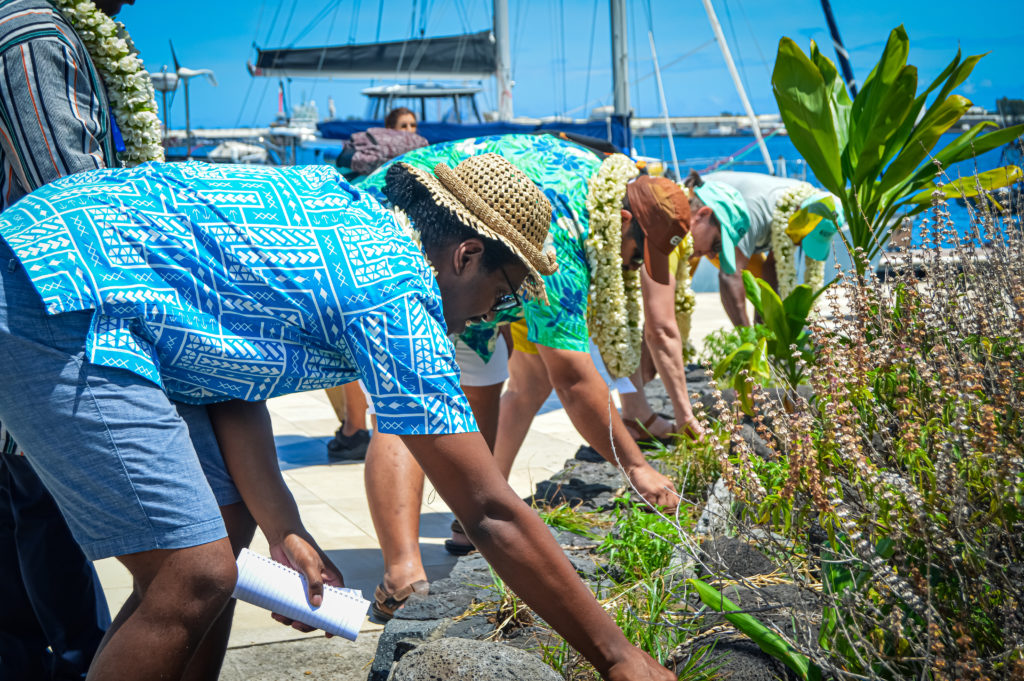
Encourage local initiatives: tree planting, recycling, energy conservation, and everyday actions to help Inhabit Creation differently.
- Mobilizing young people
Giving young people an active role: relaying witnesses, ecological projects, testimonies of faith and commitment.
- Sharing and helping each other
Create a network of churches that can share initiatives, draw inspiration, support each other and walk together.
- Bear witness to your faith
Carrying a committed Christian message: protect creation, God's gift, and bear witness to active hope.
Development areas
Ecotheology
Ecotheology
L'écotheology sheds light on the relationship between God, humankind and creation. As custodian, not master, man is called to cultivate and protect the Earth, God's gift to us. This theology links faith, ethics and ecology, inviting us to convert our hearts and practices in order to live in the world with justice and responsibility.
see p.18 of the Booklet
Theological animation
Theological animation
In the face of the ecological emergency, theological animation links faith, prayer and action. Through the Bible, workshops and reflection, it sheds light on ecological and social issues. It invites us to live responsibly and soberly, to renew the bond between body and nature, and to inhabit creation in peace and justice.
See p. 56 of the Booklet
Youth
Youth
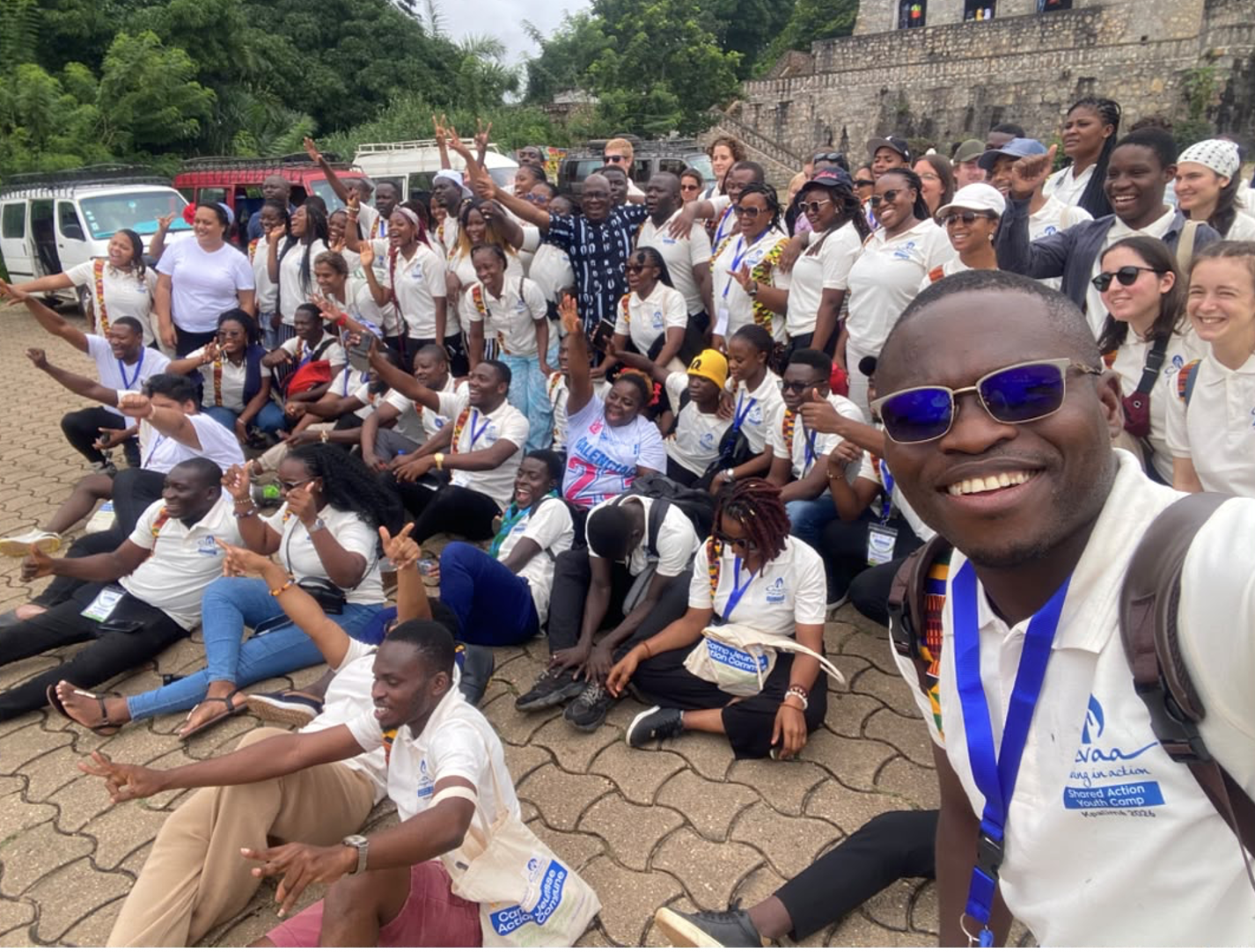
Young people are at the heart of the Action commune. Through their projects, camps, and relay events, they bring the theme Inhabit Creation differently to life. Supported by the Cevaa, they pray, take action, and raise awareness. Their commitment renews the Christian faith and affirms respect for the Earth and all living things.
See p. 68 of the booklet
Testimonials
Art
At the Protestant Church of La Réunion, a passionate parishioner has transformed a barren plot of land into a veritable Garden of Eden. Armed with her pruning shears and her faith, she lovingly plants, waters and talks to her cuttings. Today, this garden of source has become a place of life, prayer and fraternity. To God alone be the glory!
See p.68 of the Booklet
Art
Ecotheology
Art is a universal language for bearing witness to creation. It allows us to express faith, hope and the beauty of the world willed by God. In L'Arbre fétiche (CLE Yaoundé), Pastor Jean Pliya explores the sacred bond between man and nature. In this symbolic tale, he reminds us that creation is a gift from God. A modern parable about faith, responsibility and safeguarding life.
See p.74 of the Booklet
History
2006
Women's Caravan for Peace
In 2006, a women's caravan toured all the churches in the community, providing training in mediation, the promotion of women, and theological animation on the theme of peace.
2006
Meeting our neighbors
The Cevaa churches have been meeting the world around them, and thus their neighbors: the migrant neighbor, the sick neighbor and the neighbor who believes differently.
2013
Families, Gospel and Cultures
Changes in the world have created new forms of family. In 2013, Cevaa is exploring this topic through seminars that explore ways of dialogue between the Gospel and cultures.
2024
Living in creation
Since 2024, through the initiative Inhabit Creation differently,” CEVAA has been inviting churches to rethink their relationship with the Earth, God’s gift. This theme calls for an active and responsible faith.
Headlines
The actions
The Churches of the Cevaa are joining forces to Inhabit Creation differently, to take action, pray, and protect the Earth.


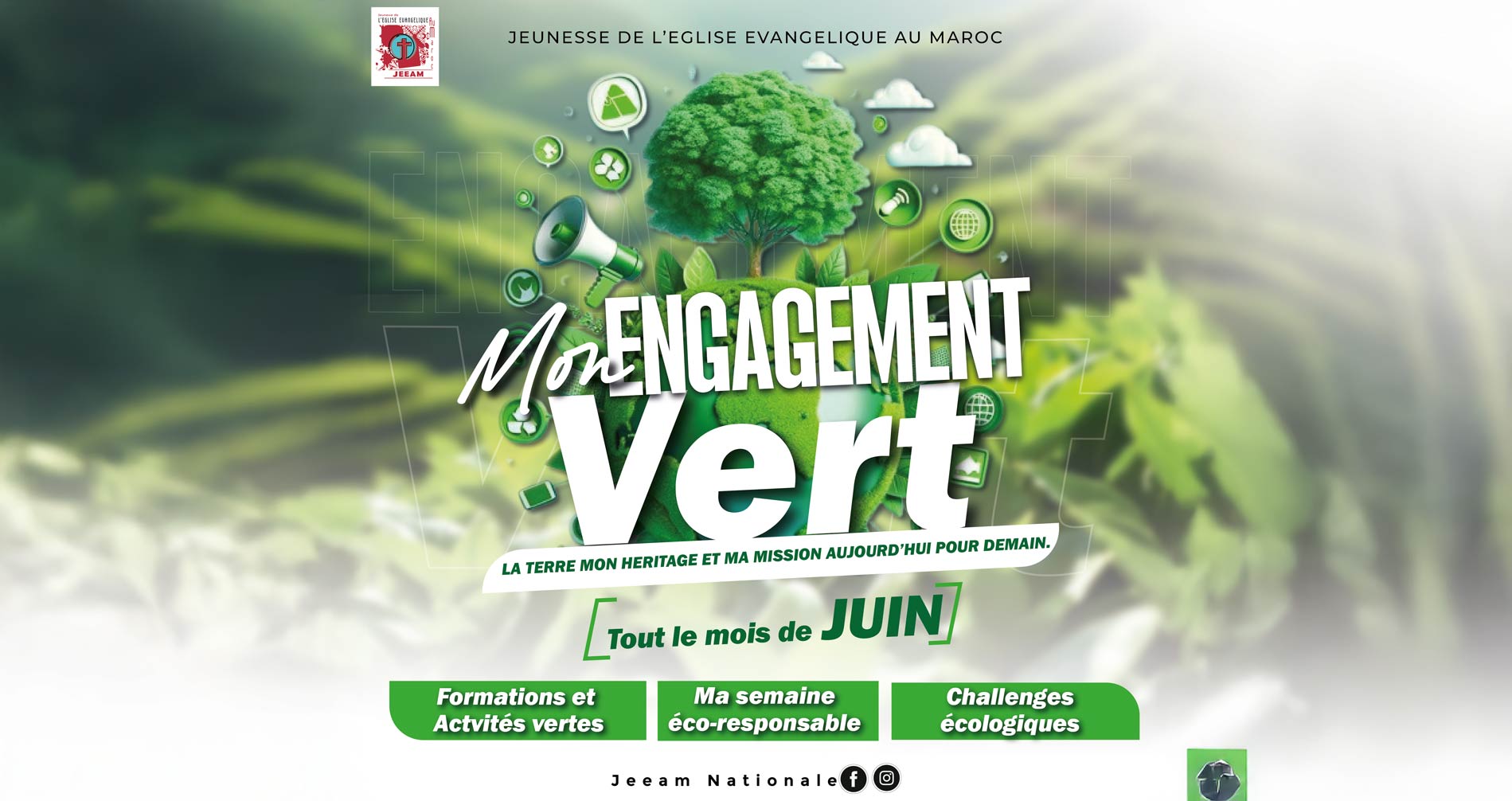
Morocco: The EEAM Youth Group Launches a Major Eco-Friendly Challenge!